The Psychology of Screen Formats
Understanding how mobile gaming on the move differs from traditional setups requires looking beyond tech specs and into psychology. When gamers play on mobile devices during commutes or while waiting in lines, their device usage format shapes how their brains handle focus, timing, and engagement. The intermittent nature of portable gameplay and distractions creates fragmented cognitive sessions, unlike sedentary sessions and depth achieved while sitting at a desk or console.
The influence of posture and environment becomes essential. Players sitting in ergonomic positions for long stretches generally enjoy stable concentration levels, while those moving or standing may face breaks in continuity. Studies show that the physical environment and player attention align closely. A quiet space, stable lighting, and comfortable seating promote immersion, while public noise and motion distort realism and emotion. These contrasts reveal the core of stationary versus mobile experiences—a battle between environmental stability and flexibility on the go.
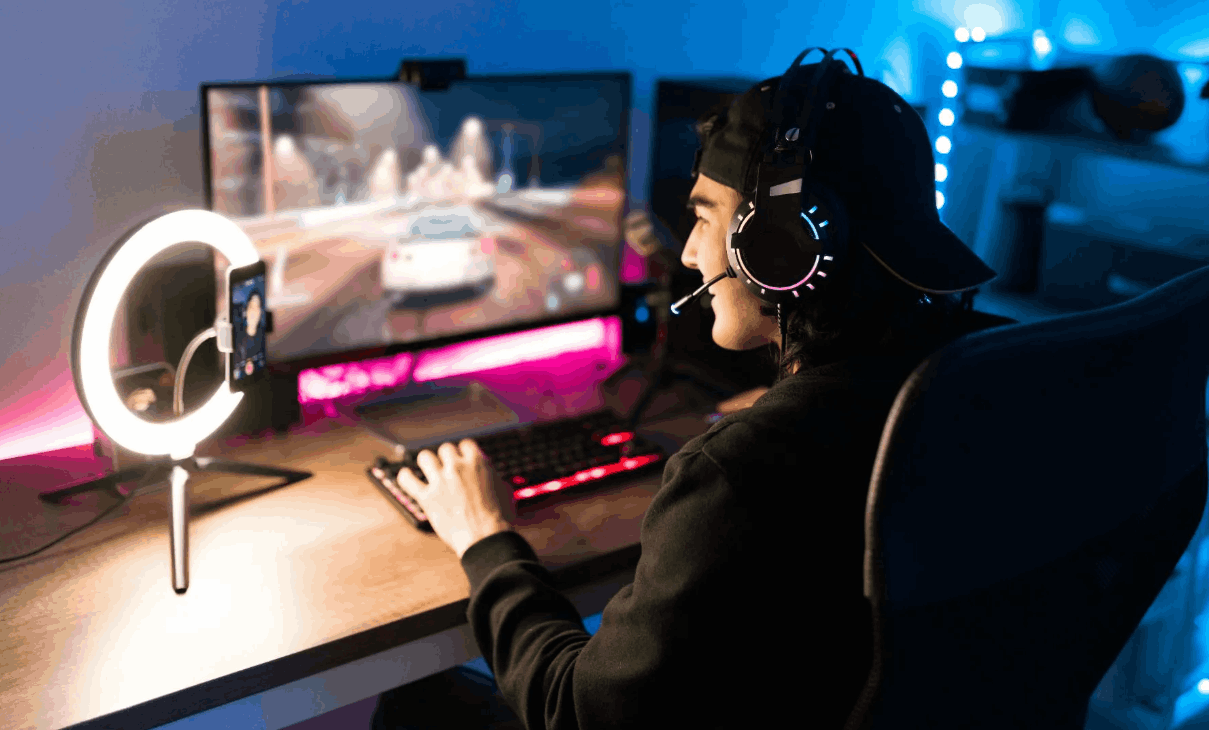
In gaming behavior in context, posture influences not only gameplay efficiency but also emotion. A seated player, leaning forward into a game world, signals full involvement. A mobile gamer, glancing between screens and surroundings, balances two realities. Some adapt quickly, using engagement on the go to stay connected through micro-sessions, while others crave sedentary sessions and depth for narrative satisfaction.
Interestingly, sessions on the go versus at home produce different forms of reward. A home environment allows planned gaming structures; on-the-go play rewards fast reaction and adaptability. While device usage format defines technical possibilities, the influence of posture and environment determines how much enjoyment carries through. True immersion seems intrinsically tied to posture, stability, and familiarity of setting—variables that mobile players constantly sacrifice for accessibility.
From an analytical perspective, the physical environment and player attention act as pillars of emotional resonance. Long PC sessions with consistent body alignment encourage a flow state; mobile gaming thrives instead on quick gratification and connection. As stationary versus mobile experiences evolve, designers must question how context guides satisfaction. Should games on the move aim for shorter cues or mimic the depth of home-based experiences? Exploring these nuances helps both developers and players understand that the true stage of gaming is not the device, but the body and the backdrop it inhabits.